
Box Moth Trap
Pheromone monitoring for box tree moth — catch the males, break the cycle, protect your box
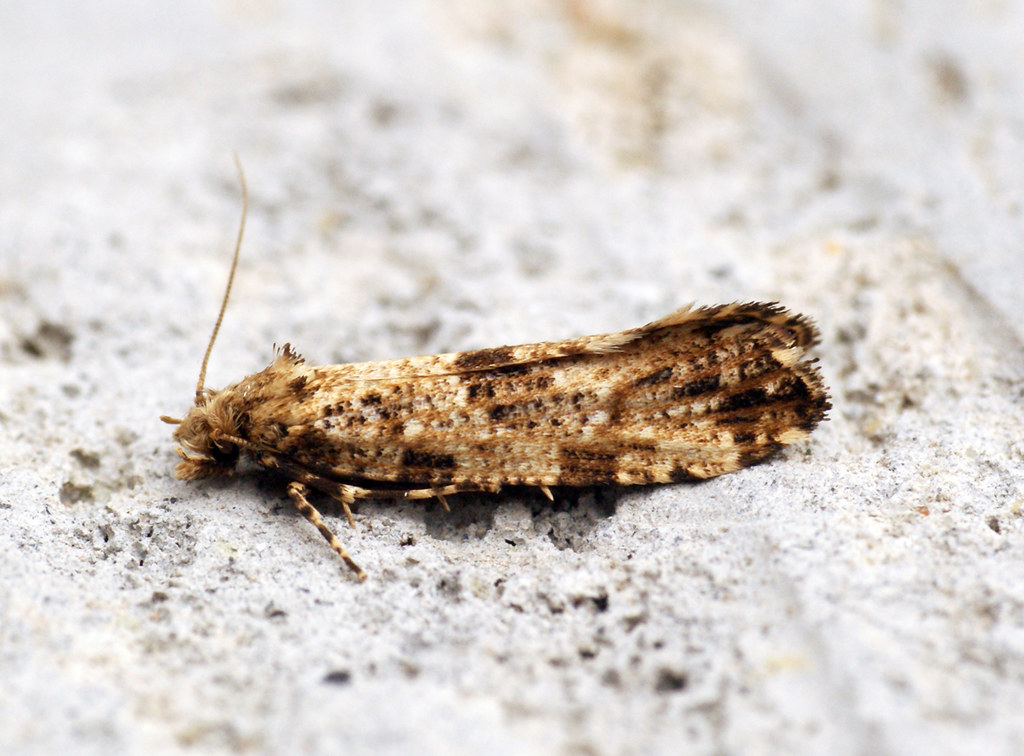
Box tree moth (Cydalima perspectalis) has spread across most of the UK and much of Europe in little more than a decade, and it is now the single biggest threat to box hedging and topiary. The adult moth is harmless in itself — it is the caterpillar that does the damage. A heavy infestation can strip a mature box hedge to bare stems in a matter of weeks, and plants that are stripped twice in a season often never recover their shape.
The Box Moth Trap is a chemical-free way to keep watch on your box. It is a weather-resistant funnel trap supplied with a pheromone lure that mimics the scent given off by female moths. Males are drawn into the trap, guided down the funnel and held in the collection chamber below, where they die naturally. Nothing is sprayed, nothing is left on the foliage, and the lure is specific to box tree moth — bees, ladybirds, lacewings and other garden wildlife are not attracted to it.
Why trapping works
Trapping does not eliminate box moth from a garden and it is not sold as an eradication treatment. What it does extremely well is tell you what is happening on your plants. Every male caught in the chamber is one fewer male able to mate, which reduces the number of fertilised eggs laid on your box, and the weekly catch count gives you a clear picture of moth activity locally. That matters because the caterpillar feeds inside a tent of silk webbing, often low down in the plant where it is difficult to see. By the time bare patches and dieback appear, a generation has already done its work.
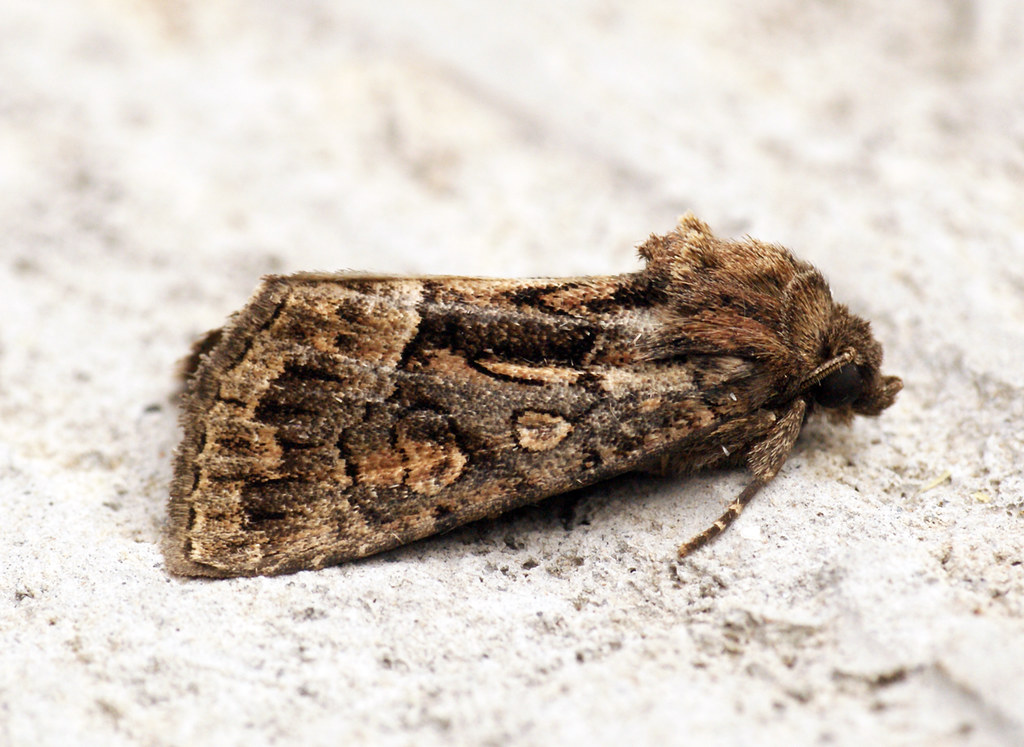
Used from early spring onwards, the trap gives you advance warning. A rising catch tells you caterpillars are about to hatch and that it is time to act — whether that means hand-picking, a nematode drench, a biological spray or simply a closer inspection of the hedge with a torch after dark.
When the moths fly
Box tree moth is active from roughly April through to October, with the first generation usually on the wing in late spring and a second, often larger, generation in high summer. In warm seasons a partial third generation can appear in autumn. Hang the trap before you expect the first flight — late March or early April in most of the country — and keep it in place until catches stop in the autumn.
Each pheromone lure stays attractive for around six to eight weeks. After that it slowly stops working even though the trap still looks perfectly fine, so note the date you hung it and fit a fresh lure on schedule through the season. Refills are available separately, and the trap body itself can be cleaned and re-used year after year.
Positioning and maintenance
- Hang the trap in or beside the box you want to protect, with the funnel roughly 1.2–1.5 m above ground level — around eye level on a hedge.
- For a run of hedging, allow one trap for every 5–10 m of box. For a single specimen or a group of topiary, place the trap within 2–3 m of the plants, ideally on the sheltered side.
- Use the wire supplied to hang the trap from a sturdy branch, a cane or a stake so it stays steady in wind.
- Empty the collection chamber and check the funnel weekly. Record the count somewhere — a diary entry per week is enough to spot the peak flight.
- Top up or replace the lure every 6–8 weeks, and store spare lures sealed in a cool place away from sunlight until needed.
Working alongside biological controls
Trapping is most effective as one part of an integrated approach. Once the trap confirms moths are flying, inspect the hedge for the tell-tale signs: fine webbing between leaves, small pale-green caterpillars with black heads, peppery frass caught in the foliage, and brown, papery patches where the leaves have been eaten back to the midrib. Caterpillars are easiest to find after dark with a torch, when they come out to feed.
For plants already under attack, biological controls such as nematodes for caterpillars on low hedges and topiary, or beneficial insects in enclosed situations, can be used alongside the trap. Because the pheromone lure targets only adult male moths, it does not interfere with these controls — the two approaches work on different stages of the life cycle rather than against each other.
Practical notes
Keep the trap out of direct midday sun if you can, and do not hang it in a position where it will be soaked by a sprinkler. Wasps and earwigs occasionally wander into the chamber; they are a nuisance rather than a problem and can be tipped out. In a very small garden, the trap will not remove every moth, so continue to check box plants by eye through spring and summer even when catch numbers are low. A catch of zero is still useful information — it tells you the local population is currently low and that a thorough inspection once a fortnight is a sensible level of vigilance.
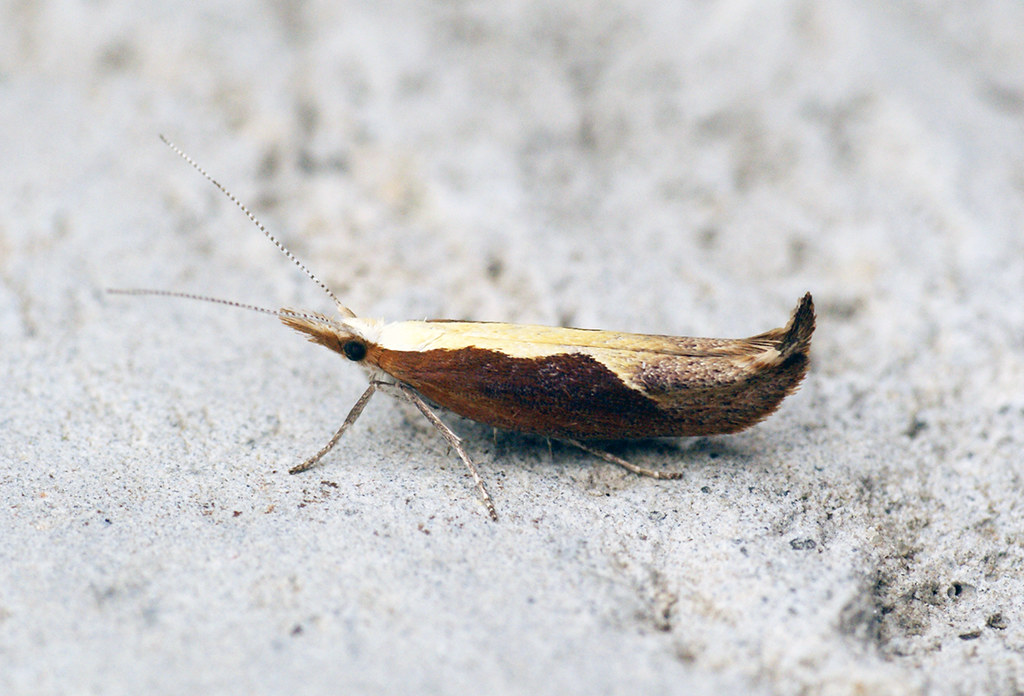
All box, whether tight-clipped balls, parterres, hedges or loose specimens, is worth monitoring. The earlier you know moths are about, the cheaper and easier the response — a few minutes a week with a trap will usually save hours of clipping out dead growth later.
At a glance
- Target: box tree moth, Cydalima perspectalis
- Type: pheromone funnel trap, reusable body
- Season: April to October
- Lure life: 6–8 weeks per lure
- Coverage: one trap per 5–10 m of hedge
- Height: 1.2–1.5 m above ground
- Chemical free: yes — no spraying
- Wildlife: does not attract bees or beneficial insects
Good to combine with
Refills for the box moth trap are available separately, so one trap body will see you through several seasons.