
Box Moth Trap Refill
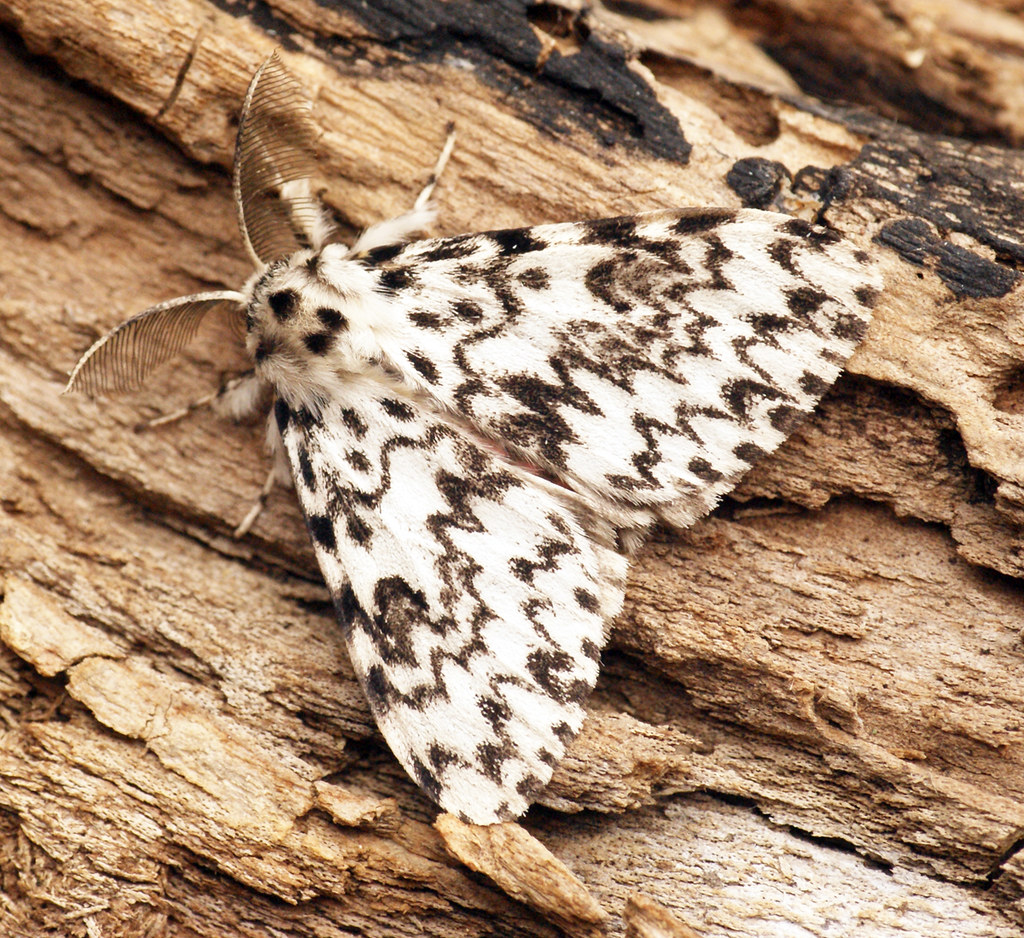
Box tree moth (Cydalima perspectalis) is now the most serious problem facing clipped box in Britain. The larvae strip the leaves and then the bark, webbing the foliage together as they feed, and a healthy hedge can be reduced to bare stems within a couple of seasons. The adult moths are night flyers and are rarely seen, which is why a pheromone trap is the most reliable way of finding out whether they are about — and of stopping the cycle before eggs are laid.
The trap itself is the hardware; the refill is the working part. A pheromone lure is a small, slow-release capsule that mimics the scent given off by a calling female, drawing in males who then stick to the base of the trap. The lure only has a limited life once the sachet is opened, and the sticky insert fills with moths, dust and hedge debris, so both need replacing at intervals if the trap is to keep catching accurately. A refill lets you do that without buying a whole new trap each time.
What a refill contains
A standard refill pack supplies the consumable parts of the trap: a fresh, sealed pheromone lure and a replacement sticky insert or base, sized to fit the trap body you already have. Some packs include a spare lure so you can run one trap through two flight periods. Nothing else is needed — no chemicals are sprayed and the trap works on scent alone, so it is safe to use around children, pets, bees and other pollinating insects, which are not attracted to a species-specific moth pheromone.
Unopened lures should be kept cool and sealed until needed. A sealed bag in the door of a fridge is ideal if you are buying ahead of the season; leave a lure sitting in a warm shed for weeks and it will have lost much of its potency before it is ever hung out.
When to change the lure
In most of the UK box moth is on the wing from late April or May, with further, often overlapping, flights through summer and into September — warm southern gardens can see three. A lure is generally good for around six to eight weeks of catching, so the practical rule is to fit a fresh one at the start of each flight period, and to change the sticky insert more often than that if it becomes clogged or coated in grit.
If you are using the trap purely as an early warning, put a fresh lure out before the first expected flight and check it weekly. If you are trapping to reduce numbers in a hedge that has already been attacked, treat the refill as a diary job: note the date on the lure, then diarise a change eight weeks later.
Fitting the refill
- Take the trap down and open it out over a bin or sheet, so the old insert and any moths drop away cleanly.
- Discard the spent lure and the used sticky insert. Wash and dry the trap body if it is grubby — scent from old glue and trapped moths can put new arrivals off.
- Peel the backing from the new sticky insert and press it into the base, sticky side up.
- Open the foil sachet of pheromone and place the lure in its holder or clip inside the trap, then close the trap up. Try not to handle the sticky surface or the lure more than necessary.
- Re-hang the trap at roughly 1.5m, in or immediately beside the box, in a spot that gets some air movement rather than being smothered in the middle of dense foliage.
Getting a useful catch
One trap covers a decent run of hedge — as a rough guide, place one per garden or per continuous stretch of box, and add another in larger plantings so the scent plume is not asked to travel too far. Position matters more than quantity: a trap tucked against a warm south-facing wall tends to catch well, and a trap placed at the boundary of the box, on the side the prevailing wind comes from, draws moths in rather than past.
Check the trap weekly through the season and record what you find rather than simply emptying it. Numbers rising sharply tell you the adults are flying and egg-laying is about to begin, which is the moment to look over the hedge carefully for the caterpillars, their webbing and the pale green larvae feeding on leaf undersides or in the crooks of the stems. Hand-picking and squashing is very effective on a small hedge at this stage, and holding off the shears during the flight periods avoids opening up fresh cut surfaces that females favour for egg-laying.
Part of a wider plan
A trap refill is not a cure on its own — it catches males and so reduces the number of matings, but it will not clear an infestation that is already inside the hedge. Use it alongside regular inspection, prompt removal of caterpillars, and the biological controls we stock for use in the garden, and you have a genuinely chemical-free programme for keeping box healthy. Traps are also the honest way to find out if the moth is present at all: an empty trap season after season is reassuring news, and far better evidence than a guess.
Keep your trap in service
Traps left out over winter gather water and debris, so empty and store the body dry once the autumn flight has finished, and buy in refills ready for spring. Running the same trap for several years, with a new lure and insert each season, is the cheapest and most consistent way to monitor box moth in your own garden.